Online advertising guide
Online Advertising Platforms: Search, Social, Display and Video Compared
The main online advertising platforms fall into four groups: search ads (Google, Microsoft), social ads (Meta, LinkedIn, TikTok and others), display networks and video platforms like YouTube. The right choice depends on whether people already search for what you sell, who your buyers are and what you want them to do next. Below we compare each type and explain how to build a mix that fits your budget, and we offer a free consultation if you want a second opinion.
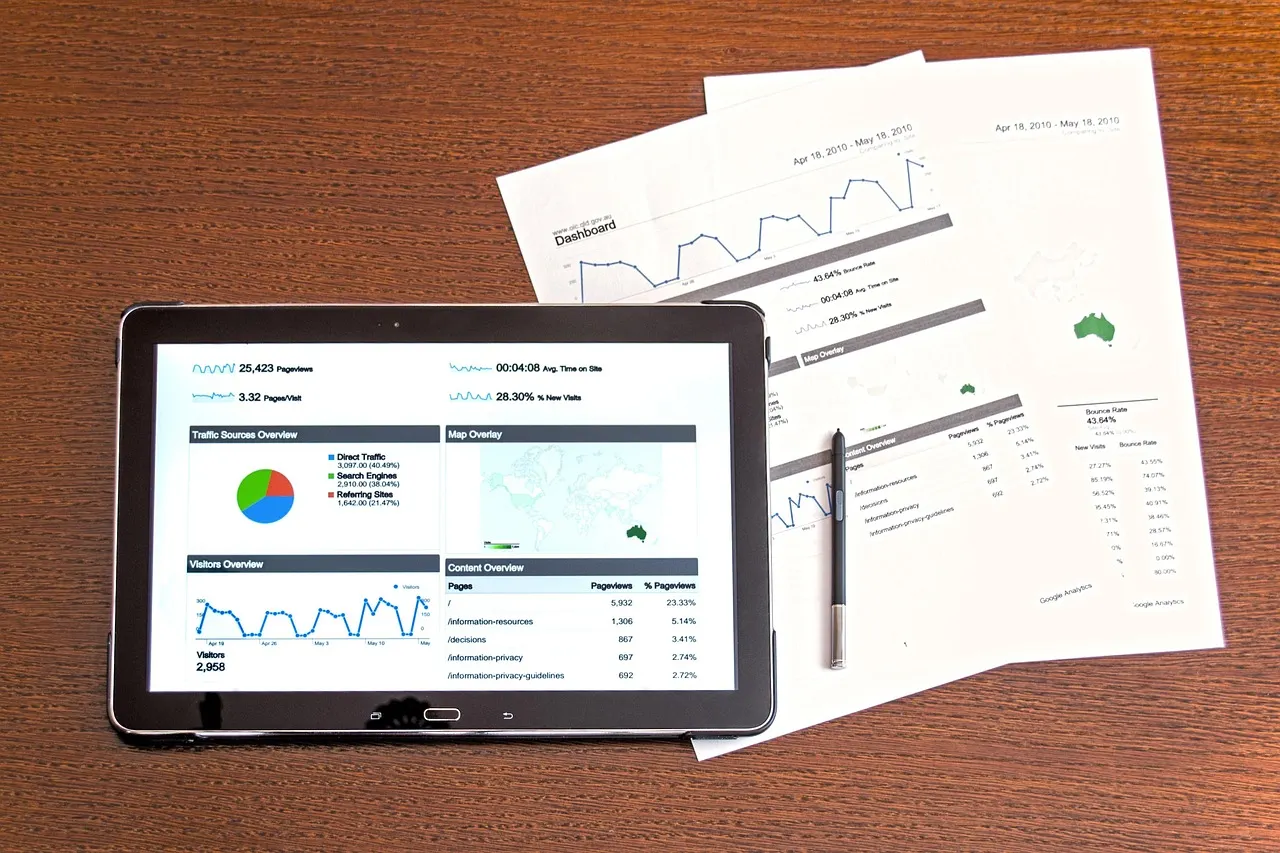
The four main types of online advertising platforms
Most online advertising programs fit into one of four categories. Each one reaches people at a different moment, so they are not interchangeable. A platform that works well for one business can waste money for another.
Search platforms show your ad when someone types a query. Social platforms show ads to people based on who they are and what they engage with. Display networks place banner and image ads on websites and apps. Video platforms run ads before, during or alongside video content.
A useful way to think about it: search captures demand that already exists, while social, display and video create or nurture demand. Most businesses need some of both, in proportions that match their market.
- Search ads: Google Ads, Microsoft Advertising (Bing)
- Social ads: Meta (Facebook and Instagram), LinkedIn, TikTok, Pinterest, X, Snapchat
- Display ads: Google Display Network, Microsoft Audience Network, programmatic platforms (DSPs)
- Video ads: YouTube (through Google Ads), plus video formats on Meta, TikTok and connected TV
Search advertising platforms: Google Ads and Microsoft Advertising
Search ads appear above and below organic results when someone searches for a keyword you bid on. Because the person has just told the search engine what they want, intent is high. This makes search the most direct route to leads and sales for many service businesses, local companies and online stores.
Google Ads has the largest reach. Microsoft Advertising covers Bing and its partner sites, and its audience often skews toward desktop and business users. Clicks there can be cheaper, so it is worth testing once a Google campaign is working. Both platforms mostly charge per click, and the price of a click is set by an auction that weighs your bid against the quality and relevance of your ad and landing page.
Search works best when there is real search volume for what you offer. If you sell something new that nobody searches for yet, search ads will have little to show. Shopping ads, which display products with images and prices, are part of the same platforms and matter for e-commerce.
Social media advertising platforms
Social platforms target people by demographics, interests, behaviour, job details and lists you upload, such as your customer or email list. They are strong for reaching people who have not searched for you yet, for building awareness and for retargeting site visitors.
Meta (Facebook and Instagram) offers broad reach and detailed targeting for consumer brands and many local businesses. LinkedIn is the usual choice for B2B, because you can target by job title, industry and company size; clicks tend to cost more, but the audience is precise. TikTok and Snapchat reach younger audiences and reward short, native-looking video. Pinterest suits products people plan around, like home, fashion, food and events.
Creative matters more on social than on search. People are scrolling, not shopping, so the ad has to earn attention in the first second. Expect to test several images, videos and headlines before finding the ones that work.
- Meta: consumer products, local services, e-commerce, lead forms
- LinkedIn: B2B services, recruiting, high-value professional offers
- TikTok and Snapchat: younger audiences, video-first brands
- Pinterest: visual, planning-led purchases
Display and programmatic advertising
Display ads are image, banner and responsive ads shown on websites and apps. The Google Display Network is the most common starting point, and programmatic platforms (demand-side platforms) let advertisers buy placements across many ad exchanges with more control over audiences and inventory.
Display is usually priced per thousand impressions or per click. It reaches a lot of people at a low cost per view, but click-through rates are low and quality varies by placement. For most small and mid-sized businesses, its most reliable use is retargeting: showing ads to people who visited your site but did not get in touch or buy.
If you run display for awareness, exclude low-quality placements, set frequency caps so the same person does not see your ad too often, and judge results on assisted conversions, not only last-click sales.
Video advertising platforms
YouTube, managed through Google Ads, is the largest video advertising platform. Ads can be skippable, non-skippable or short bumpers, and you can target by audience, topic, keyword or specific channels. Meta, TikTok and LinkedIn also run video ads in their feeds, and connected TV platforms place ads on streaming services.
Video is good at explaining a product, showing a process or building trust before someone is ready to contact you. It is usually not the cheapest way to get a direct lead, but it can make your search and retargeting campaigns work better because people already recognise your name. A video ad does not need a large production budget; clear, honest footage with a strong opening often outperforms polished brand films. Our guide to video advertising online covers formats and production in more detail.
How online advertising platforms charge
Knowing the pricing models helps you compare platforms fairly. Most run on auctions, so costs change with competition, season, location and how relevant your ads are. Competitive markets and high-value industries usually pay more per click than niche ones.
There is no fixed price for a platform. What you pay depends on your industry, location, targeting, ad quality and the goal you optimise for. That is why a small test budget with clear tracking tells you more than any average figure.
- CPC (cost per click): you pay when someone clicks. Common on search and many social campaigns.
- CPM (cost per thousand impressions): you pay for views. Common on display, video and awareness campaigns.
- CPV (cost per view): you pay when a video is watched for a set time or interacted with.
- CPA or target ROAS bidding: the platform adjusts bids to aim for a cost per conversion or a return on ad spend, based on your tracking data.
How to choose the right mix of platforms
Start with the customer, not the platform. Ask where your buyers are when they need you and what they do before they decide. Then match platforms to that journey. Spreading a small budget across five platforms rarely works; each one needs enough spend and data to optimise.
A sensible approach is to start with one or two platforms that match your strongest source of demand, measure results properly, and add channels once the first ones are profitable. Retargeting is often the second step, because it is relatively cheap and reaches people who already know you.
- Do people search for what you sell? Start with search ads.
- Is your offer new, visual or impulse-driven? Test social and video.
- Do you sell to businesses? Consider LinkedIn alongside search.
- Do you get website traffic that doesn't convert? Add retargeting on display or social.
- Is your budget limited? Focus on one platform until it works, then expand.
- Can you track leads and sales? Set up conversion tracking before spending, or you won't know which platform pays off.
Common mistakes when picking an advertising platform
Choosing a platform because it is popular, not because your customers use it, is the most frequent mistake. Others are sending ad traffic to a generic homepage instead of a focused landing page, judging a campaign after a few days, and running ads without conversion tracking.
Ads also work better when they connect to the rest of your marketing. Someone who clicks an ad but is not ready to buy can still join your email list, and a good follow-up sequence turns some of those visitors into customers later. Combined with clear ad copy, this is often where the return on ad spend improves most. If you want help choosing and managing platforms, our online advertising service covers planning, setup and ongoing management, and we start with a free consultation.
Frequently asked questions
Which online advertising platform is best for a small business?
There is no single best platform. If people already search for your service, Google Ads is usually the strongest starting point. If you sell something visual or new, Meta or another social platform may work better. For B2B offers, LinkedIn is worth considering. Start with the platform that matches how your customers find you.
Should I advertise on several platforms at once?
Only if your budget allows each platform enough spend to gather data and optimise. With a limited budget, it is usually better to make one platform work first and then add others, such as retargeting.
How much does online advertising cost?
It depends on your industry, location, competition, targeting, ad quality and goals. Most platforms run on auctions, so prices vary. Contact us for a free consultation and we can look at what a realistic budget would be for your business.
Can you manage my ads on Google, Meta and other platforms?
Online advertising is one of our services. Get in touch and we will discuss which platforms suit your goals during a free consultation.
Ready to get more from your email list?
Request a quote or book a free consultation. Tell us where you are today and we will show you what we would do next.