Online advertising
Video Online Advertising: Where It Runs and How to Plan It
Video online advertising means paying to show short video ads on platforms like YouTube, social media feeds and streaming apps, targeted to the people you want to reach. It works best when the platform, format, script and goal are planned together. We help businesses plan and run online ad campaigns and write the scripts and copy behind them. Start with a free consultation.
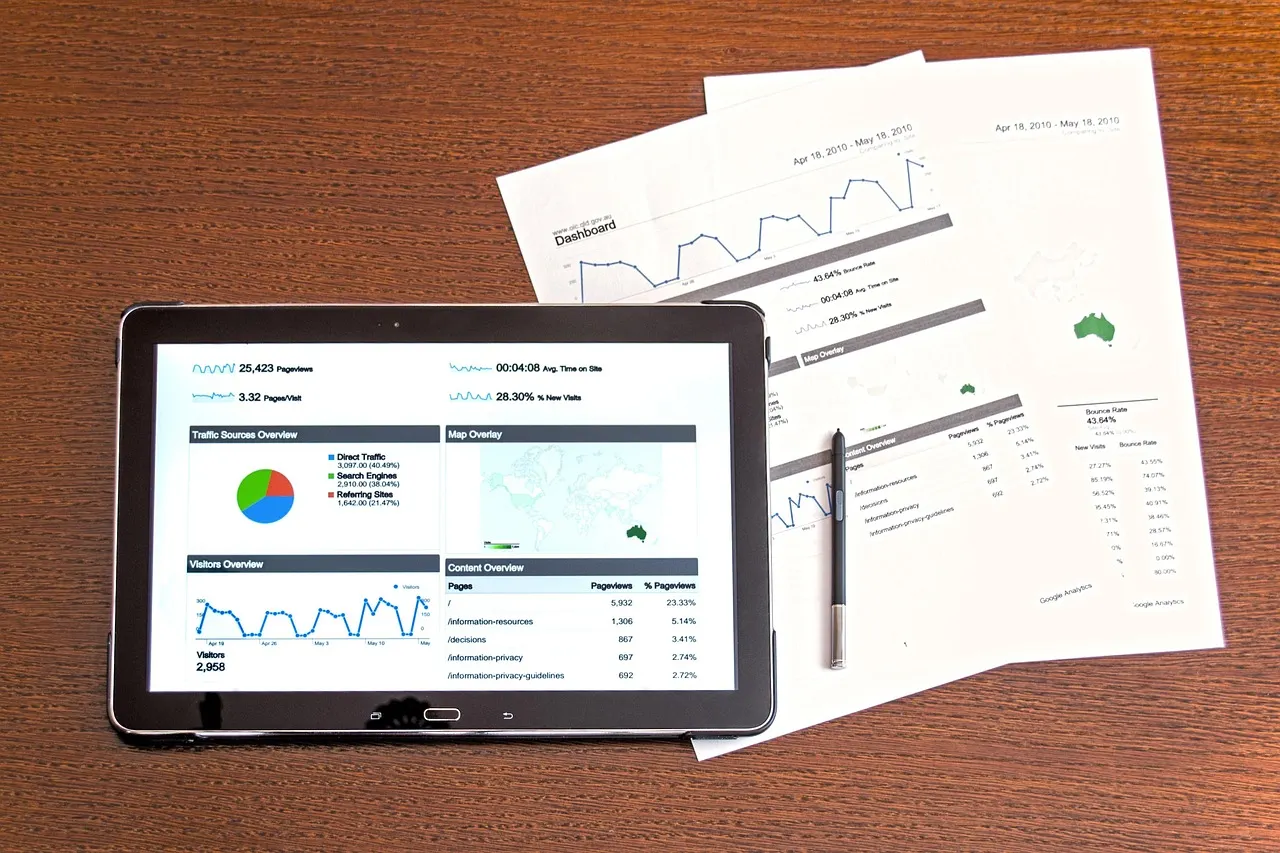
Where video ads run online
Video ads can appear almost anywhere people watch or scroll. Each placement reaches people in a different mindset, so the right mix depends on who you sell to and what you want them to do.
A person watching a 20-minute YouTube tutorial behaves differently from someone flicking through Instagram Stories. Picking placements first, then making videos to fit them, saves budget and avoids running one video everywhere and hoping it works.
- YouTube and Google video partners: in-stream ads before, during or after videos, plus in-feed ads in search results and recommendations.
- Meta (Facebook and Instagram): in-feed video, Stories and Reels, with detailed audience targeting.
- TikTok: full-screen vertical video that has to feel native to the platform.
- LinkedIn: video in the feed, useful for reaching business buyers by job title, industry or company size.
- Connected TV and streaming apps: ads shown on TV screens through streaming services.
- Outstream and display networks: video that plays inside articles and on websites, outside a video player.
Common video ad formats
Format determines length, whether viewers can skip, and the screen shape you design for. Most campaigns use more than one.
Vertical video (9:16) suits Stories, Reels and TikTok. Square or 4:5 works well in most feeds. Horizontal (16:9) fits YouTube and TV screens. Making a few cut-downs of one core video is usually cheaper than producing separate videos for each placement.
- Skippable in-stream: viewers can skip after a few seconds, so the opening has to earn attention.
- Non-skippable in-stream: short ads that play in full, good for a single clear message.
- Bumper ads: very short ads of around six seconds, mainly for reach and reminders.
- In-feed video: appears among posts or search results and plays when someone chooses to watch or scrolls past it.
- Stories and short-form vertical: full-screen, fast-paced and often watched without sound.
How to plan a video ad campaign
A video campaign is easier to judge when the goal and the measurement are decided before anything is filmed. These are the steps we follow when planning one with a client.
- Set one main goal: awareness, website visits, leads or sales. The goal decides the format, bidding and what counts as success.
- Define the audience: who they are, where they spend time online and what problem your product solves for them.
- Choose platforms and formats that match that audience and goal.
- Write the script and copy: the hook, the core message and a clear call to action.
- Produce the video in the sizes and lengths each placement needs.
- Set budget, bidding and targeting, then make sure tracking (pixels, conversion events) works before launch.
- Launch, watch early data and test variations: different hooks, lengths and calls to action.
- Report on results against the original goal and move budget to what performs.
Writing video ad scripts that hold attention
Most video ads are judged in the first few seconds. If the opening doesn't show who the ad is for or why it matters, people skip or scroll. A strong script leads with the viewer's problem or a clear benefit, not with a logo animation.
Many people watch feed and Stories ads with the sound off, so on-screen text and captions should carry the message on their own. Keep one idea per ad. A video that tries to cover every feature tends to say nothing memorable.
The call to action should be specific and match the next step: visit the page, book a call, see the offer. The headline and text around the video matter too, since they're often read before the video plays. Copywriting is one of our services, so the script, captions and ad copy can be written by the same team that plans the campaign.
What video advertising costs depend on
There is no single price for video ads. Platforms charge by auction, so costs move with competition for your audience. Budgets also need to cover the script and the video itself, not just media spend.
We don't quote a fixed price without knowing your goals. Tell us what you want to achieve and we'll explain the options in a quote.
- Platform and placement: some audiences and placements cost more than others.
- Audience size and competition: narrow, high-value audiences usually cost more per view.
- Bidding model: cost per view, per thousand impressions, per click or per conversion.
- Campaign length and how often the ad is shown.
- Production: whether you have existing footage or need new videos, and how many versions.
- Testing: running several versions costs more upfront but tells you what works.
How to measure whether video ads work
Views alone don't tell you much. The right metrics depend on the goal you set at the start. For awareness, look at reach, view rate and how many people watched most of the ad. For traffic and leads, look at click-through rate, cost per click and conversions on your site.
View-through conversions, where someone sees the ad and later converts without clicking, can show the role video plays alongside search and email. Comparing results to a clear baseline keeps reporting honest and helps decide where the next budget should go.
How we help with video online advertising
Online advertising is one of our core services. We help plan campaigns, choose platforms, set up targeting and tracking, and read the results. Our copywriting covers video scripts, captions and the ad copy around them.
Video ads often work best as part of a wider plan. Someone who watches your ad and later joins your list can be followed up by email, which is where much of the return from advertising is kept. We respond quickly and the first consultation is free.
Frequently asked questions
Do you produce the videos as well?
We plan and run online ad campaigns and write the scripts and ad copy. Ask us during the free consultation about your footage and production needs, and we'll explain how we can work together on the campaign.
Which platform is best for video ads?
It depends on your audience and goal. YouTube suits longer attention and search intent, Instagram and TikTok suit short vertical video, and LinkedIn suits business buyers. We recommend platforms after looking at who you want to reach.
How long should a video ad be?
It depends on the format. Bumper ads are around six seconds, while skippable and in-feed ads can be longer. Whatever the length, the first few seconds need to make the point, because that's when most viewers decide to keep watching.
How much do video ads cost?
Costs depend on platform, audience, bidding model, campaign length and production. Tell us your goals and we'll explain the options in a quote.
Ready to get more from your email list?
Request a quote or book a free consultation. Tell us where you are today and we will show you what we would do next.